Undiagnosed but Something Mental Health: Integrating Awareness into Creative Workflows
In the modern creative landscape, the line between personal expression and professional output is increasingly blurred. For many creators, entrepreneurs, and hobbyists, the act of designing is not just a technical process but an emotional one. This is where the concept of Undiagnosed but Something Mental Health becomes relevant. It represents a growing cultural acknowledgment that mental well-being is complex, often ambiguous, and deeply intertwined with our daily productivity and creative identity. When applied to design assets and print-on-demand projects, this theme allows creators to produce work that resonates on a human level, bridging the gap between aesthetic appeal and emotional authenticity.
Integrating this theme into your workflow requires more than just downloading a file; it demands an understanding of how mental health narratives fit into broader marketing strategies, product development cycles, and personal branding. Whether you are running a small business or creating DIY gifts, understanding the nuance of "undiagnosed" experiences can help you create products that feel genuine rather than exploitative.
Understanding the Role of Ambiguous Mental Health Narratives in Design
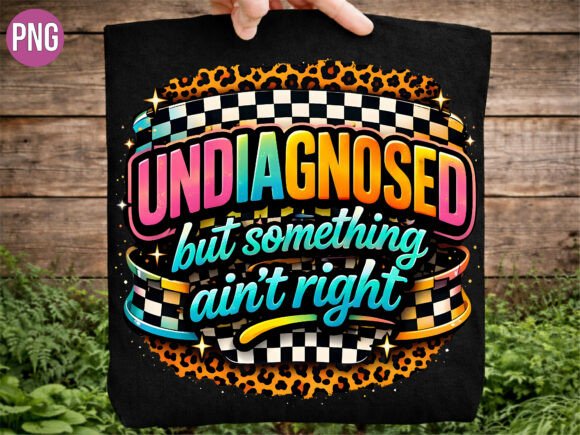
The phrase Undiagnosed but Something captures a specific sentiment shared by many adults aged 20–50. It reflects the experience of navigating life with mental health challenges that may not fit neatly into clinical categories or have not yet been formally assessed. For designers and content creators, this is a powerful hook. It speaks to validity without requiring medical verification, making it inclusive and relatable.
When you incorporate this theme into your creative projects, you are tapping into a semantic keyword cluster related to self-care, awareness, and authentic living. However, successful implementation depends on context. The design must be handled with care. It should not trivialize mental health struggles but rather offer a sense of solidarity. This is where high-quality assets become essential. A poorly rendered graphic can undermine the sincerity of the message, whereas a crisp, professional design elevates the statement, making it suitable for everyday wear and use.
Pre-Production: Preparation and Compatibility
Before you begin any project involving sensitive topics like mental health, preparation is key. This starts with selecting the right assets. The premium-quality digital design file mentioned in your resources is structured to support this phase. With a 300 DPI high resolution, the file ensures that the text and graphics remain sharp, regardless of the medium. This is crucial for maintaining professionalism. Blurry or pixelated images can detract from the seriousness of the message, potentially causing your audience to dismiss the product as low-effort.
Compatibility is another factor. The included PNG file features a transparent background, which simplifies the integration process. Whether you are using Adobe Photoshop, Canva, Procreate, or other design software, a transparent background allows you to place the design over various colors and textures without manual editing. This saves time and reduces the risk of errors during the layout phase. For entrepreneurs managing multiple product lines, this efficiency translates directly into faster turnaround times and consistent quality control.
Implementation: Integrating the Design into Your Workflow
Once you have downloaded and extracted the .ZIP folder, the next step is implementation. This phase varies depending on whether you are creating for personal use or commercial sale. In both cases, the goal is to ensure the design aligns with the intended product’s function and audience expectations.
Print-on-Demand Applications
For those running print-on-demand (POD) businesses, the versatility of the Undiagnosed but Something Mental Health design is a significant asset. POD platforms require files that can adapt to different product templates without losing integrity. The high-resolution PNG provided meets these technical requirements.
- T-Shirts and Apparel: Place the design centrally on chest prints or subtly on pocket areas. The clean lines of the typography ensure readability even on fabric textures.
- Mugs and Tumblers: Wrap the design around cylindrical surfaces. Ensure the transparent background blends seamlessly with the mug’s base color to avoid unsightly white boxes.
- Stickers and Decals: These are popular for laptops and water bottles. The sharp edges of a 300 DPI file prevent jagged lines when cut, resulting in a professional finish.
When listing these items, use descriptive language that highlights the emotional connection. Instead of just listing features, explain how the product fits into a user’s daily routine. For example, a mug with this design isn’t just a vessel for coffee; it’s a morning reminder of self-acceptance. This approach aligns with Google’s Helpful Content guidelines by providing context and value beyond the physical item.
Personal and DIY Projects
For hobbyists and individuals, the process is more intimate. You might use the design for scrapbooking, planner inserts, or home décor. Here, the focus shifts from mass production to personalization. The ease of use allows you to experiment with layouts. You can combine the PNG with other elements, such as hand-drawn illustrations or photographs, to create a unique collage. The transparent background facilitates layering, enabling you to build depth and complexity in your compositions.
This flexibility supports a iterative creative process. You can test different color schemes and placements without starting from scratch. This is particularly useful for planners and journals, where consistency in aesthetic helps maintain engagement with the tool. By integrating mental health themes into organizational tools, you reinforce the idea that productivity and well-being are interconnected.
Quality Control and Consistency Across Platforms
Maintaining consistency is vital for brand recognition, especially if you are building a portfolio around mental health awareness. The Undiagnosed but Something Mental Health design serves as a foundational element. To ensure consistency, always use the original high-resolution file for every new product. Avoid resizing low-quality previews, as this leads to degradation.
Additionally, consider the color profile of your outputs. While the PNG is versatile, printing on dark versus light backgrounds may require adjustments. Some design software allows you to add drop shadows or outlines to improve contrast. Testing samples before full-scale production is a best practice. This step helps identify any visibility issues and ensures that the final product meets your standards. For POD sellers, ordering proof copies is an investment in quality assurance that protects your reputation.
Long-Term Use and Adaptability
The value of a digital asset extends beyond its initial use. As trends evolve, so can your application of this design. You might revisit it seasonally, pairing it with different color palettes or complementary graphics. For educators and therapists, such designs can be used in workshops or support groups to facilitate discussions about mental health labels and identity. The non-clinical nature of the phrase makes it accessible to a wide audience, reducing stigma and encouraging open dialogue.
Furthermore, storing your digital files in an organized manner ensures long-term accessibility. Keep the original .ZIP file in a secure cloud storage or external drive. Label folders clearly with dates and version numbers. This organizational habit streamlines future projects, allowing you to retrieve assets quickly when needed. Efficiency in file management is often overlooked but is critical for sustaining a productive creative workflow.
Ethical Considerations and Audience Engagement
When dealing with mental health topics, ethical considerations are paramount. Ensure that your marketing materials respect the gravity of the subject. Avoid using the design in contexts that mock or trivialize mental health struggles. Instead, frame your products as tools for empowerment and community building. Engage with your audience by sharing stories or resources related to mental wellness. This builds trust and establishes your brand as a responsible participant in the conversation.
Use semantic keywords naturally in your descriptions. Terms like "mental health awareness," "self-care routines," "creative therapy," and "emotional well-being" help search engines understand the context of your content. However, prioritize readability and human connection over keyword density. Write for people first, addressing their needs and interests authentically.
Final Thoughts on Integration
Integrating Undiagnosed but Something Mental Health into your creative workflow is about more than just aesthetics. It is about recognizing the role of design in shaping conversations around well-being. By leveraging high-quality, versatile assets, you can create products that are both visually appealing and emotionally resonant. Whether you are a seasoned entrepreneur or a casual crafter, the principles of preparation, compatibility, and ethical engagement will guide you toward successful outcomes.
Remember that the process is iterative. Learn from each project, gather feedback, and refine your approach. The digital design file is a tool, but your creativity and empathy are the drivers. By combining technical precision with human insight, you can produce work that stands out in a crowded market and makes a meaningful impact on your audience.