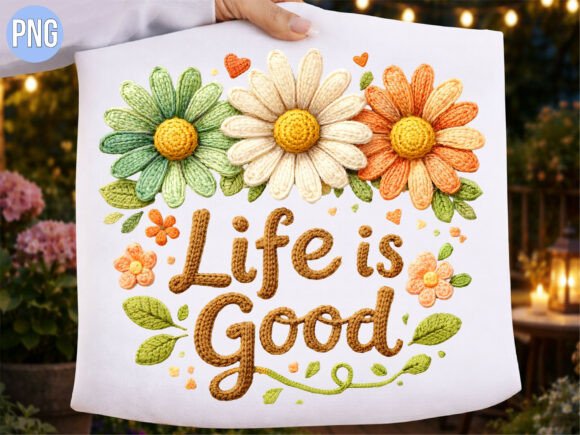
Mastering the Life is Good Flower Crochet PNG T-SHIRT Design for Professional Results
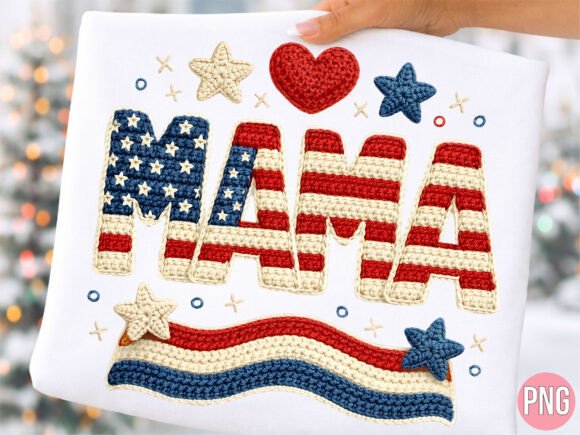
The intersection of handmade aesthetics and digital convenience has created a booming market for creators who want to blend the warmth of crochet with the efficiency of print-on-demand services. At the center of this trend is the Life is Good Flower Crochet PNG T-SHIRT design, a high-quality digital asset that captures the intricate texture of yarn work without requiring hours of manual labor. For entrepreneurs, hobbyists, and graphic designers, this file represents more than just an image; it is a tool for building a brand identity centered on comfort, creativity, and positivity.
However, possessing a high-resolution file is only half the battle. Many newcomers to the digital design space make critical errors in how they select, prepare, and apply these assets. These mistakes often lead to poor print quality, wasted resources, and frustrated customers. By understanding the technical nuances of this specific design format, you can avoid common pitfalls and ensure your final products meet professional standards.
Understanding the Value of High-Resolution Digital Assets
When you download a premium design like the Life is Good Flower Crochet PNG, you are investing in a resource that has been pre-optimized for commercial use. The primary value lies in the resolution and background transparency. A 300 DPI (dots per inch) file ensures that when the image is printed on fabric, ceramic, or paper, the edges remain crisp rather than pixelated. The transparent background allows the design to sit seamlessly on colored shirts, mugs, or tote bags without an unsightly white box surrounding the artwork.
Many beginners overlook the importance of these technical specifications, assuming that any image found online will suffice for printing. This misconception often results in blurry outputs that damage a seller’s reputation. By starting with a professionally prepared ZIP file containing a verified 300 DPI PNG, you eliminate the guesswork and ensure a consistent baseline for quality across all your products.
Common Mistakes and How to Avoid Them
Even with a perfect source file, errors in execution can undermine your project. Here are the most frequent issues creators face and practical ways to correct them.
Ignoring Software Compatibility
One of the most overlooked details is ensuring your design software supports PNG files with transparency. While most modern programs handle this well, older or basic editors may flatten the image or add a default background color. Before purchasing or downloading, verify that your tool—whether it is Adobe Photoshop, Canva, Cricut Design Space, or Silhouette Studio—can properly interpret transparent layers. If your software does not support this, the "clean placement" promise of the file becomes irrelevant, and you may end up with a design that looks amateurish on dark-colored garments.
Misjudging Scale and Placement
A common error is resizing the image incorrectly. Because the Life is Good Flower Crochet PNG T-SHIRT file is high-resolution, it can be scaled up significantly without losing quality. However, many users shrink it too much, making the intricate crochet details hard to see, or stretch it beyond its intended proportions, distorting the flower shape. Always check the aspect ratio when resizing. For t-shirts, a standard chest print usually ranges between 10 to 12 inches wide, but this varies by garment size. Test prints on plain paper before committing to expensive substrates to gauge visual impact.
Neglecting Color Profile Checks
Digital screens display colors in RGB (Red, Green, Blue), while most printers use CMYK (Cyan, Magenta, Yellow, Key/Black). Although PNGs are typically RGB, some print-on-demand providers automatically convert them. This conversion can sometimes shift colors, making bright yellows appear duller or blues look muddy. To avoid dissatisfaction, order a sample product first. If you notice significant color shifts, consider adjusting the brightness or contrast in your editing software to compensate for the printer’s limitations.
Maximizing Versatility Across Products
This digital design is not limited to apparel. Its versatility is one of its strongest selling points, yet many creators fail to explore its full potential. The same file used for a t-shirt can be applied to a wide array of items, provided you adjust the layout appropriately.
- Mugs and Tumblers: Wrap the design carefully around the curve. Ensure the central motif remains visible and is not distorted by the printing wrap.
- Stickers and Decals: Use the transparent background to create die-cut stickers. This works exceptionally well for laptops and water bottles, appealing to a younger demographic.
- Home Decor: Apply the design to pillowcases or canvas prints. The cozy, handmade aesthetic of the crochet flower complements bohemian or rustic interior styles.
- Paper Goods: Greeting cards and scrapbooks benefit from the high detail. Print at a smaller scale to maintain sharpness and elegance.
By diversifying your product line, you reduce reliance on a single market segment. However, remember that each medium has different absorption and texture properties. A design that looks vibrant on a polyester shirt may appear softer on a cotton canvas. Adjust your expectations and marketing images accordingly to reflect the actual look of each product type.
Best Practices for Downloading and File Management
Proper file management is crucial for maintaining workflow efficiency. When you receive the ZIP file, do not attempt to use it directly from the compressed folder. Most design software cannot read files inside a ZIP archive. You must extract or unzip the folder first. Failure to do so often leads to error messages or corrupted previews, causing unnecessary panic.
Create a dedicated folder on your computer or cloud storage for your digital assets. Organize files by theme or season. For instance, keep all spring-themed crochet designs together. This habit saves time when you are ready to launch a new collection. Additionally, always keep a backup of the original, unedited PNG file. If you make adjustments in your design software, save the new version as a separate file. This ensures you always have the pristine original to revert to if needed.
Evaluating Quality Before Commitment
Before integrating the Life is Good Flower Crochet PNG into your store, perform a quick quality audit. Zoom in to 100% or 200% on your screen. Check the edges of the crochet stitches. They should be smooth and defined, not jagged or fuzzy. Look for any stray pixels or artifacts around the transparent areas. A premium file will be clean throughout.
Also, consider the legal and ethical aspects. Ensure that the license accompanying the digital download permits commercial use if you plan to sell products. Reputable sellers clearly state usage rights. Respecting intellectual property protects your business from legal issues and supports the creative community.
In conclusion, the Life is Good Flower Crochet PNG T-SHIRT design offers a fantastic opportunity for creators to produce high-quality, aesthetically pleasing products. By avoiding common technical mistakes, understanding software requirements, and exploring diverse applications, you can maximize the value of this digital asset. Attention to detail in the preparation phase translates directly to customer satisfaction and long-term business success. Treat your digital files with the same care as physical inventory, and they will serve as reliable foundations for your creative projects.