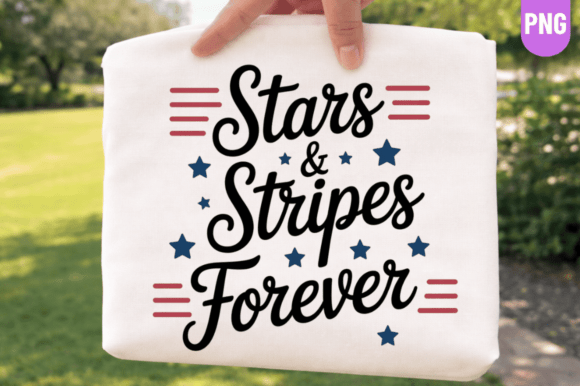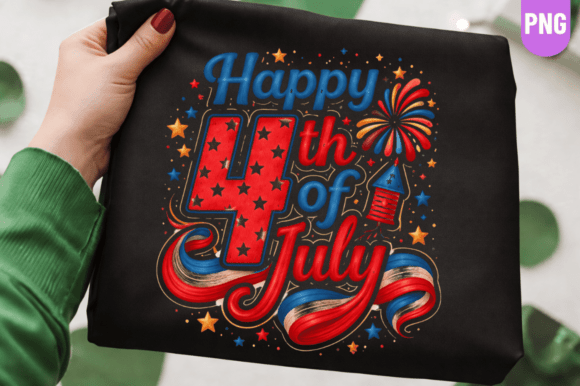
Happy 4th of July PNG: A Guide to High-Quality Sublimation Designs
The Fourth of July represents a significant opportunity for creators, small business owners, and hobbyists to produce themed merchandise. Whether you are preparing for a local craft fair or fulfilling print-on-demand orders, having access to high-quality digital assets is essential. A Happy 4th of July PNG serves as a foundational element in this process, offering a versatile and efficient solution for producing patriotic apparel and home goods. Understanding the technical specifications, practical applications, and limitations of these digital files can help you make informed decisions about your design workflow.
Understanding the Digital Asset
A Happy 4th of July PNG is a digital image file formatted in Portable Network Graphics (PNG) with a transparent background. This format is specifically optimized for sublimation printing and direct-to-garment (DTG) applications. Unlike standard JPEGs, which include a solid white or colored background, a transparent PNG allows the design to be placed seamlessly onto various substrates without unwanted borders or boxes around the artwork.
These designs are typically created at high resolutions, often 300 DPI (dots per inch), ensuring that the final printed product remains crisp and clear, even when scaled up for larger items like pillows or tote bags. The "ready-to-print" nature of these files means they require minimal to no editing, allowing users to bypass complex graphic design processes. This accessibility makes them particularly valuable for individuals who may not possess advanced skills in software like Adobe Photoshop or Illustrator but still wish to produce professional-looking results.
Why Choose Pre-Made Sublimation Designs?
There are several strategic reasons why creators opt for pre-made Happy 4th of July PNGs rather than designing from scratch. The primary advantage is efficiency. Designing intricate patriotic motifs—such as fireworks, stars, stripes, and typography—can be time-consuming. By utilizing a high-quality digital download, you significantly reduce the time spent on creation, allowing you to focus on production, marketing, and sales.
Furthermore, consistency is crucial for brand identity. Professional sublimation designs are often crafted with color profiles and layout balances that are tested for print viability. This reduces the risk of common printing errors, such as pixelation or color banding, which can occur when low-resolution images are upscaled. For small business owners, this reliability translates to fewer wasted materials and higher customer satisfaction.
Versatility Across Products
One of the strongest attributes of a well-designed PNG is its adaptability. A single Happy 4th of July PNG can be applied to a wide array of products, including:
- Apparel: T-shirts, tank tops, hoodies, and baby onesies.
- Home Decor: Throw pillows, coasters, and wall art.
- Accessories: Tote bags, phone cases, and tumblers.
- Stationery: Greeting cards and stickers.
This versatility allows creators to maximize the value of a single purchase by expanding their product lines without needing multiple unique designs. For example, a design that works well on a white polyester t-shirt can often be adjusted slightly in size to fit a ceramic mug or a metal tumbler, providing a cohesive collection for holiday sales.
Technical Considerations and Compatibility
Before purchasing or downloading a Happy 4th of July PNG, it is important to evaluate your technical setup. These files are compatible with most major design and cutting software, including Cricut Design Space, Silhouette Studio, Canva, and Adobe Photoshop. However, the workflow differs slightly depending on the tool you use.
If you are using cutting machines like Cricut or Silhouette, the transparent background ensures that the machine recognizes only the design elements, not the surrounding space. For sublimation printers, the high-resolution PNG ensures that the ink transfers smoothly onto the substrate. It is crucial to verify that your printer settings are configured for high-quality photo printing to capture the full detail of the design.
Color Accuracy: One notable consideration is color variation. Digital screens display colors using RGB (Red, Green, Blue) light, while printers use CMYK (Cyan, Magenta, Yellow, Key/Black) ink. Consequently, the colors you see on your monitor may differ slightly from the final printed product. Bright neon shades or deep navy blues may appear differently on fabric versus paper. It is advisable to perform test prints on scrap material to calibrate your expectations and adjust printer settings if necessary.
Evaluating Fit: When to Use Pre-Made PNGs
Pre-made designs are an excellent choice for specific scenarios. If you are running a seasonal pop-up shop or need to quickly capitalize on holiday trends, the speed of deployment offered by instant digital downloads is unmatched. They are also ideal for beginners who are learning the mechanics of sublimation printing and want to isolate variables. By using a known high-quality file, you can determine whether issues in your final product stem from your printing process or the design file itself.
Additionally, these files are suitable for those who lack the artistic confidence to create original typography or illustrations. Professional designers often incorporate complex layering effects, shadows, and textures that are difficult to replicate without extensive experience. Using a pre-made asset allows you to leverage this expertise immediately.
When to Consider Alternatives
While convenient, pre-made Happy 4th of July PNGs are not always the best solution. If your brand relies heavily on unique, proprietary aesthetics, using widely available digital downloads may dilute your distinctiveness. Since these files are often sold to multiple customers, there is a possibility that other vendors may offer similar or identical designs. In highly saturated markets, this lack of exclusivity can be a disadvantage.
Moreover, if you require specific customization—such as altering the text to include a specific year, name, or location—a static PNG may be limiting. While you can overlay text in some software, integrating new elements seamlessly with existing graphics often requires vector files (SVG or AI) or layered PSD files. If you need extensive editability, investing in vector assets or hiring a custom designer might be a more appropriate long-term strategy.
Practical Decision-Making Insights
To determine if a Happy 4th of July PNG aligns with your goals, consider the following factors:
- Volume vs. Uniqueness: If you prioritize rapid production and volume over exclusive design ownership, pre-made PNGs are a strong fit. If uniqueness is your primary selling point, consider modifying the design or creating original art.
- Technical Skill Level: Assess your comfort level with design software. If you prefer a "drag-and-drop" workflow, a ready-to-print PNG is ideal. If you enjoy tweaking layers and vectors, look for files that offer more flexibility.
- Product Type: Ensure the resolution of the PNG matches your intended product. Large items like blankets require higher pixel dimensions than small items like coasters. Always check the file specifications before purchase.
In conclusion, a high-quality Happy 4th of July PNG is a practical tool for modern creators. It bridges the gap between creative vision and technical execution, offering a reliable path to producing festive, professional-grade merchandise. By understanding the benefits, limitations, and technical requirements, you can effectively integrate these digital assets into your workflow, ensuring that your Fourth of July products are both visually appealing and commercially viable.